

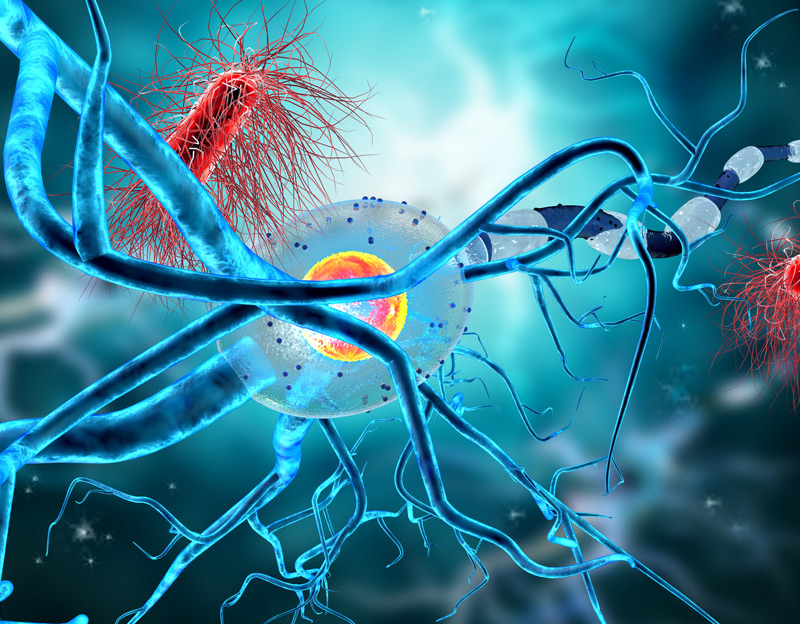

Neurology is the study of disorders and diseases affecting the nervous system. Brigent Specialty formulates medication designed to treat a range of conditions affecting the nervous system.
Common Neurological Conditions
The following conditions may require treatment with custom medication:
- Acute Spinal Cord Injury
- Alzheimer’s Disease
- Amyotrophic Lateral Sclerosis (ALS)
- Ataxia
- Bell’s Palsy
- Brain Tumors
- Cerebral Aneurysm
- Epilepsy and Seizures
- Guillain-Barré Syndrome
- Headache
- Head Injury
- Hydrocephalus
- Lumbar Disk Disease (Herniated Disk)
- Meningitis
- Multiple Sclerosis
- Muscular Dystrophy
- Neurocutaneous Syndromes
- Parkinson’s Disease
- Stroke (Brain Attack)
- Cluster Headaches
- Tension Headaches
- Migraine Headaches
- Encephalitis
- Septicemia
- Myasthenia Gravis
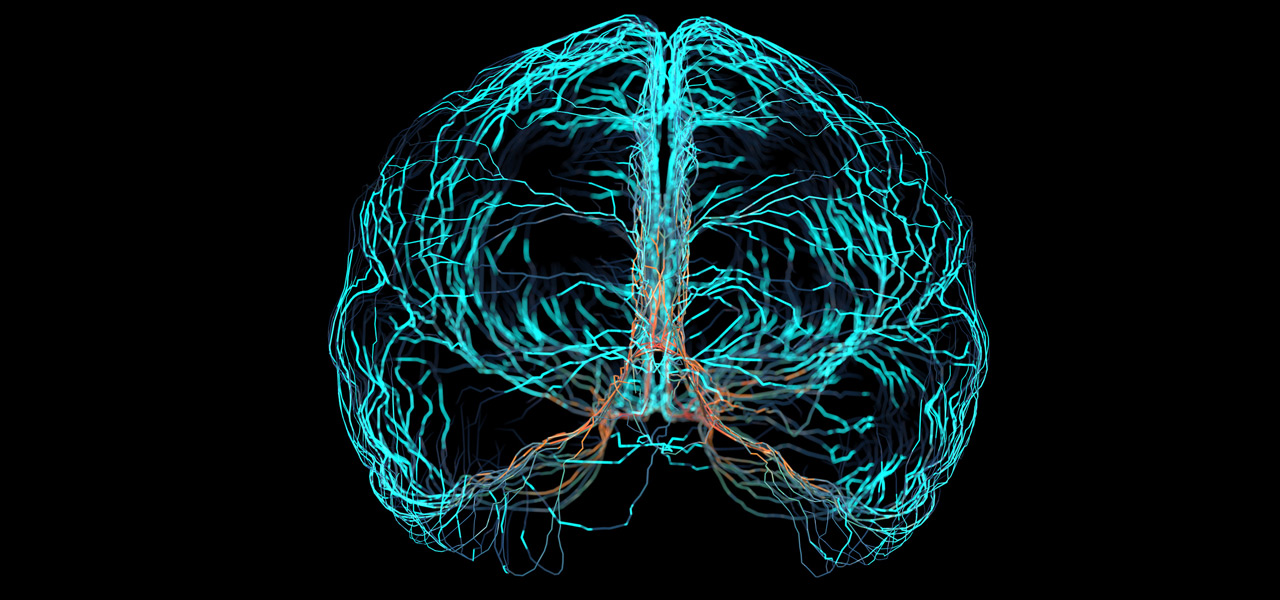
Symptoms of Neurological Conditions
Patients with a neurological condition may experience:
- Burning feeling
- Numbness
- Pins and needles sensations
- Muscle weakness
- Paralysis
- Sensitivity
- Referred pain
- Low blood pressure
- Dizziness or vertigo
- Loss of consciousness
- Altered smell or taste
- Confusion or cognitive changes
- Lethargy or change in level of consciousness
- Involuntary muscle contractions
- Loss of balance
- Tingling
- Difficulty chewing
- Digestive problems
- Loss of bladder or bowel control
- Nausea with or without vomiting
Emergency neurological conditions may cause the following symptoms:
- Abnormal pupil size or nonreactivity to light
- Change in level of consciousness or alertness, such as passing out or unresponsiveness
- Difficulty swallowing
- Disorientation
- Dizziness or vertigo
- Garbled or slurred speech or inability to speak
- Loss of muscle coordination
- Respiratory or breathing problems, such as shortness of breath, difficulty breathing, labored breathing, wheezing, not breathing, choking
- Seizures
- Sudden paralysis or inability to move a body part
- Vision changes or sudden blindness
Causes of Neurological Symptoms
Patients with neurological symptoms may have problems with their peripheral nervous system. Other causes may include certain syndromes, such as carpal tunnel syndrome, diabetes, autoimmune diseases, virus infection, or traumatic injury, such as:
- Burns
- Compression, crushing or severing of nerves
- Detachment of nerves from the spinal cord
- Electrical injury
- Fracture or dislocation of a bone
- Gunshot injury
- Physical assault
- Slipped vertebral disks or other spine conditions
Autoimmune diseases that can cause neurological symptoms include:
- Epstein-Barr virus infection
- Guillain-Barré syndrome
- Hepatitis C
- Human immunodeficiency virus (HIV) infection
- Lyme disease (inflammatory bacterial disease spread by ticks)
- Other bacterial and viral infections of the brain or meninges (membranes lining the brain and spinal cord)
- Systemic lupus erythematosus (disorder in which the body attacks its own healthy cells and tissues)
- Varicella-zoster virus infection (virus that causes chickenpox and shingles)
Risk Factors For Neurological Conditions
The following factors increase the risk of developing a neurological condition:
- Alcohol or illicit substance abuse
- Diabetes
- Exposure to toxic substances or poisons
- Family history of degenerative neurologic conditions
- High blood pressure
- Nutritional deficiencies
- Repetitive motions or stress
Importance of Neurology Medication
Patients diagnosed with neurological conditions often require specialized medication plans that address their unique symptoms while considering their overall health. At Brigent Specialty Pharmacy, our team works closely with healthcare providers to support access to precise, patient-specific therapies designed to achieve optimal treatment outcomes.
When Specialized Neurology Medications Are Needed
-
A prescribed therapy is discontinued, difficult to obtain, or affected by shortages
-
A very specific dosage or strength is required that is not widely available
-
The standard formulation is difficult to take (for example, tablets that are too large)
-
The patient has sensitivities or allergies to certain ingredients such as sugar, casein, aluminum, dyes, gluten, or lactose
-
Multiple therapies need to be coordinated as part of a comprehensive treatment plan